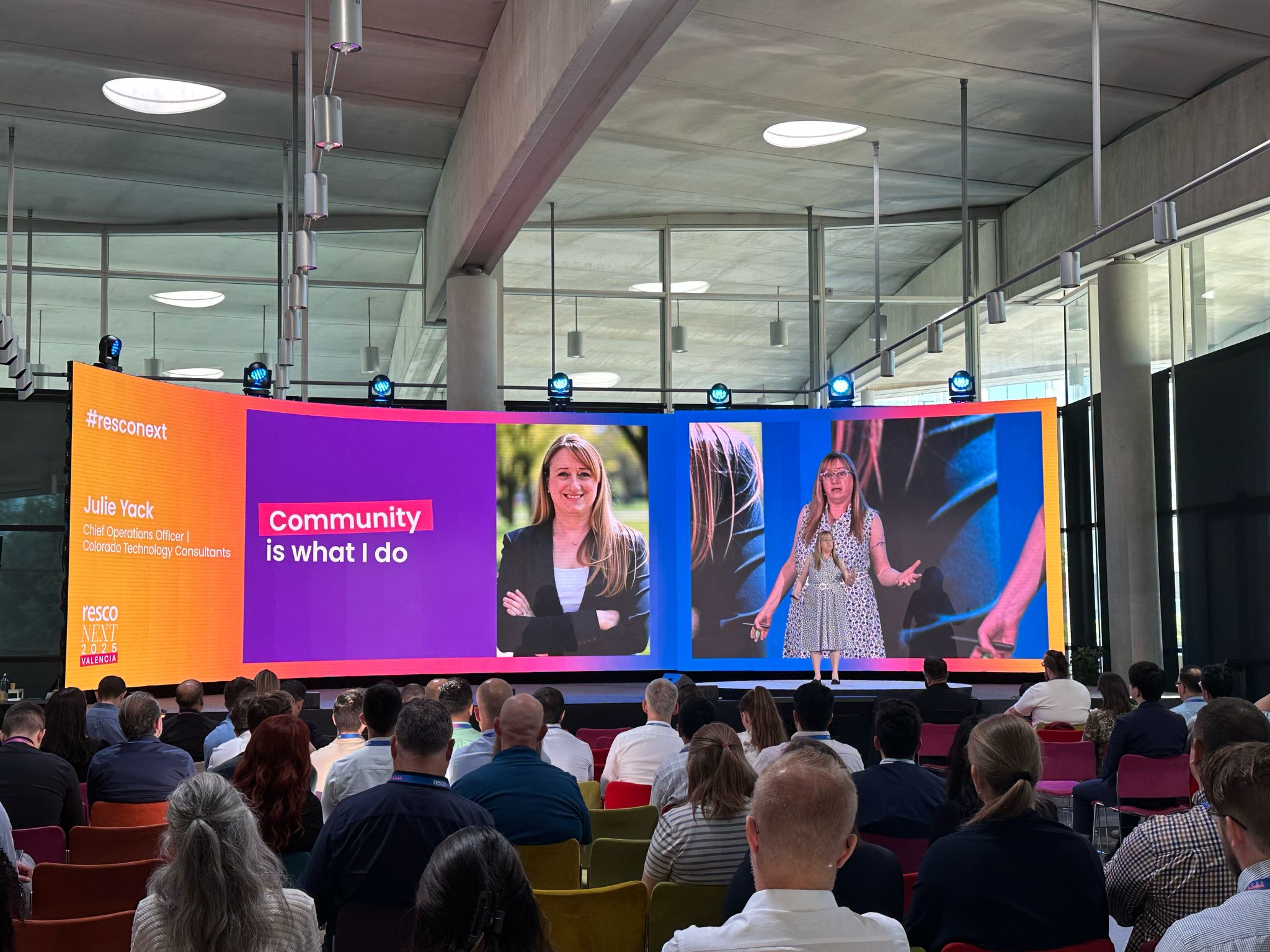
Conference session submissions for 2026 are opening all over the place right now. And if your calendar looks anything like most people’s this week, it’s… quiet.
Not vacation quiet.
Just that strange end-of-year limbo where no one is scheduling big meetings, inboxes slow down, and “real work” is mostly on pause.
Which makes this a pretty great chance to work on your conference sessions.
Not frantically. Not at midnight the night before the CFP closes. But thoughtfully — as part of how you want 2026 to look. And maybe what you’d like to learn next year, and just needed a push.
Insider secret: speakers do not know the ins and outs of every session they submit for a conference. Usually it’s something with familiarity, but also a stretch learning goal. And when a conference decides it’s a good fit, then they have to become the expert. Shhh, remember it’s a secret.
If writing abstracts always feels harder than delivering the actual session, you’re not imagining it. This is thinking work. Framing work. And it benefits from space — something you probably have more of right now than you will in a few weeks.
I use AI constantly when I’m working through session ideas, but not as a shortcut. More like a thinking partner. I’ll start with a rough idea (ok, so ChaptGPT wrote that part, I start with word vomit of random ideas), a frustration, or an opinion I’m not done forming yet. I’ll push on it. Refine it. Tighten the language. AI helps me do that faster — but the thinking is still mine.
That distinction matters. Reviewers can tell when an abstract came out of a single prompt. It reads fine, technically, but it doesn’t say much.
One place you should slow down, though, is the title. Titles do the real work. Lots of reviewers — and almost all potential attendees — never read past them unless the title earns it. A strong title tells me what this session is, who it’s for, and why it matters. If the title is vague, overly clever, or loaded with buzzwords, the rest of the submission doesn’t stand a chance.
The abstract itself doesn’t need to be long. In fact, it shouldn’t be. Start with the point. Lead with the problem you’re solving and the audience you’re solving it for. Expand just enough to explain why it matters and what people will walk away with. Reviewers skim. Design for that reality.
And while we’re here: emojis don’t help. They sometimes work on social posts. They don’t work for conference sessions. They add noise, not clarity. And to me, a clear sign that you used a little too much AI and too little human oversight.
AI is excellent at editing — tightening language, improving flow, helping you say the same thing with fewer words. What it can’t replace is your experience, your judgment, and your point of view. That’s the part reviewers are actually looking for.
I’ve submitted and reviewed a lot of sessions over the years. The ones that get selected aren’t the flashiest. They’re the clearest. They know who they’re for. They respect the reader’s time. Go learn more about the inverted pyramid, it’s great for session info.
So if your week is a little quieter than usual, use it. Draft your sessions. Shape your 2026 speaking portfolio intentionally. Let AI help — but don’t let it think for you.
Also, don’t be too hard on yourself when you get turned down for an event. Even after 20 years, I get rejected regularly, more than my sessions are accepted. If imposter syndrome is whispering in your ear, remember this: submitting a session doesn’t mean you’re presenting it. It just means you’re open to the conversation.
Leave a Reply